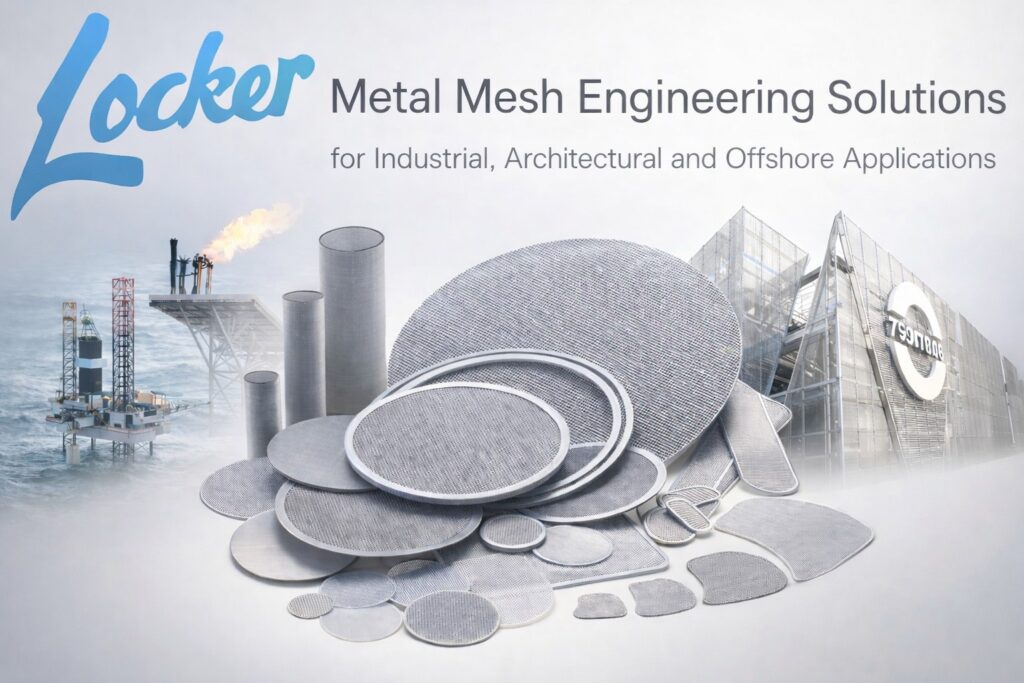
Metal Mesh Engineering Solutions
For Industrial, Architectural and Heatshielding Applications
- High strength-to-weight performance
- Excellent filtration and separation capability
- Versatile architectural façade and screening systems
- Effective radiant heat and wind shielding
- Reliable UK manufacturing and engineering support
- Flexible fabrication and finishing options
Metal mesh is one of the most versatile engineering materials used across modern industry. Its open structure allows strength, airflow and filtration in a single material.
Engineers rely on metal mesh for applications as diverse as industrial filtration, architectural façades, and offshore radiant heatshielding.
Locker Group Ltd combines specialist expertise across several engineering sectors. Through its businesses — Industrial Wire Mesh, Architectural Metal Mesh, and Radiant Heatshielding — the group delivers engineered mesh solutions for complex projects.
Each division focuses on a specific application area while benefiting from shared manufacturing capability and technical knowledge.
Engineering Expertise Across the Locker Group
Locker Group brings together specialist engineering knowledge across multiple sectors.
Key businesses include:
- Locker Wire Weavers – Industrial woven wire mesh
- Locker Architectural – Architectural mesh systems
- Locker Heatshielding – Radiant heatshield and wind shielding
This structure allows customers to access a broad range of expertise through one engineering group.
Projects often benefit from collaboration between businesses. Architectural installations may draw on radiant heatshielding expertise, while offshore shielding systems may require specialist fabrication knowledge.
Industrial Applications for Woven Wire Mesh
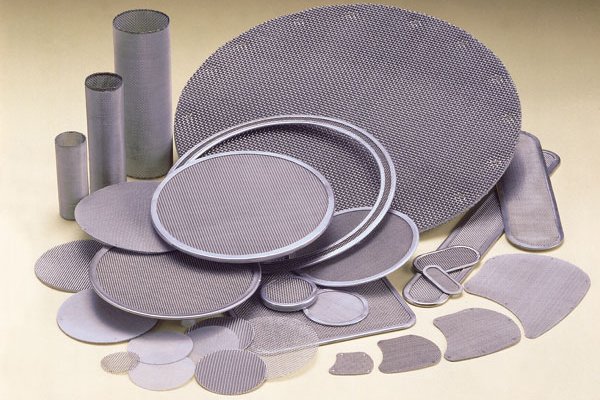
Woven wire mesh plays a critical role in industrial processing. Its ability to filter, separate and grade materials makes it essential across many manufacturing sectors.
Common applications include:
- Liquid filtration systems
- Particle separation processes
- Screening and sieving operations
- Process strainers
- EMI and RFI Screening
- Electronic contact aids
Mesh performance depends on several key parameters.
Mesh Count
Mesh count refers to the number of wires per linear inch. Higher mesh counts produce smaller apertures and finer filtration capability.
Wire Diameter
Wire diameter affects both strength and open area. Thicker wires increase durability but reduce filtration flow.
Aperture Size
Aperture determines the maximum particle size that can pass through the mesh.
Open Area
Open area percentage influences flow rate and filtration efficiency.
Selecting the correct combination of these variables is essential for reliable filtration performance.
Engineers often use tools such as our Mesh Calculator which helps to determine the most suitable mesh specification.
The Locker Wire Weavers division specialises in woven wire mesh for filtration, screening and separation processes across multiple industries.
Architectural Applications for Metal Mesh
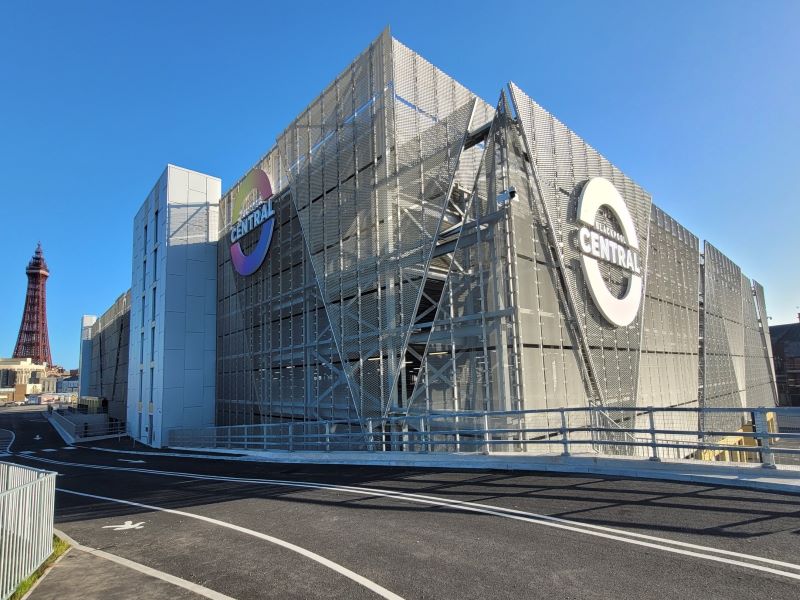
Architectural metal mesh is increasingly used in modern building design, bringing together functionality and bold visual impact.
Architects often specify mesh systems because they provide:
- Ventilation and airflow
- Solar shading capability
- Durable façade cladding
- Flexible aesthetic design
Typical applications include:
- MSCP Car park cladding systems
- Architectural façade cladding
- Balustrade infill panels
- Ceiling systems
- Decorative interior mesh
Metal mesh allows designers to balance transparency and enclosure. Buildings maintain airflow while achieving distinctive architectural aesthetics.
The Locker Architectural business works closely with architects, façade engineers and contractors to develop mesh systems tailored to individual projects.
Design considerations typically include:
- Supporting structure
- Wind loading
- Panel size and fixing systems
- Mesh transparency and pattern
- Corrosion resistance
Early technical collaboration ensures mesh façades perform correctly once installed.
Radiant Heatshielding
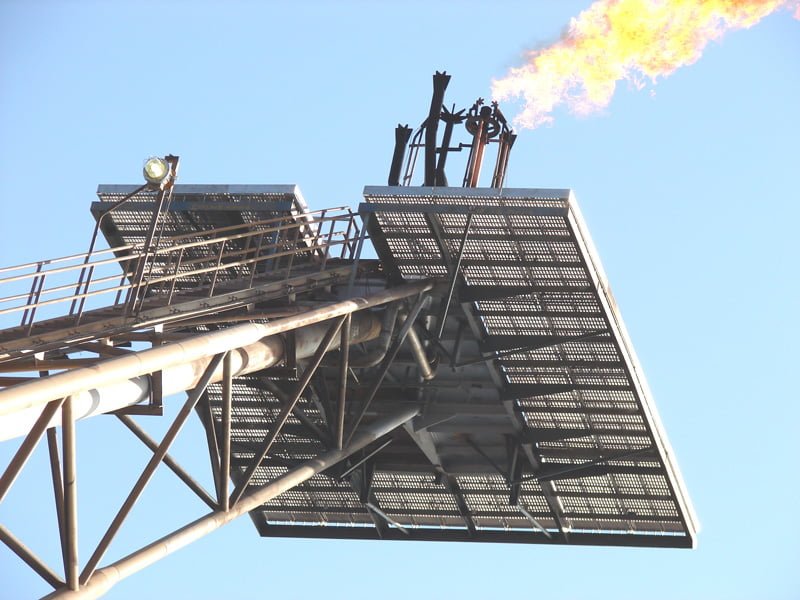
In high-hazard industrial environments, protecting personnel and equipment from radiant heat is critical.
Offshore platforms, FPSOs and petrochemical plants frequently operate close to flare stacks and other heat sources.
Radiant heatshielding systems provide passive protection by reducing heat exposure while maintaining airflow and visibility.
The Radiant Heatshielding division of the Locker Group specialises in shielding systems for the oil, gas and petrochemical industries.
These systems help protect:
- Personnel on walkways and stairways
- Control equipment and instrumentation
- Cable trays and electrical systems
- Flare deck structures
- Emergency access/egress routes, and muster points
Shielding panels can significantly reduce radiant heat exposure behind the shield.
Engineering Design and Fabrication
Locker shielding systems are engineered for harsh offshore conditions.
Additional services include:
- Heat radiation analysis
- Site surveys
- Custom shield design
- Design, Fabrication and installation support
Panels are typically manufactured from 316L stainless steel to withstand corrosion and thermal cycling.
Wind Shielding for Offshore Installations
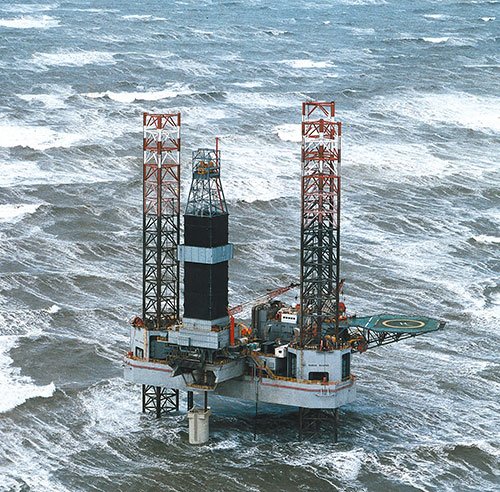
Offshore environments present significant wind exposure. High winds can create hazardous working conditions, damage sensitive equipment, and restrict access to exposed areas.
Windshielding systems help reduce wind speeds while maintaining ventilation and visibility.
Typical installations include:
- Bridge walkways
- Maintenance platforms
- Offshore access routes
- Platform working areas
- Solar panel protection
Common Metal Mesh Applications
Industry | Typical Application | Mesh Type |
Chemical processing | woven wire mesh | |
Food processing | stainless steel mesh, often framed | |
Architecture | façade cladding and screening | |
Offshore oil and gas | serrated floor panels with integrated heat shielding | |
Security, screening, and ventilation | security wire mesh panels and partitions |